HAX Lab logo HAX Lab
Human-AI eXperience Lab

Where Minds Meet Machines

We build AI, virtual reality, games, and brain-computer interfaces with and for the people who use them.

We conduct research at the intersection of human-computer interaction and artificial intelligence, creating experiences that make technology more responsive, meaningful, and human-centered.

Explore Our Research Join the Lab
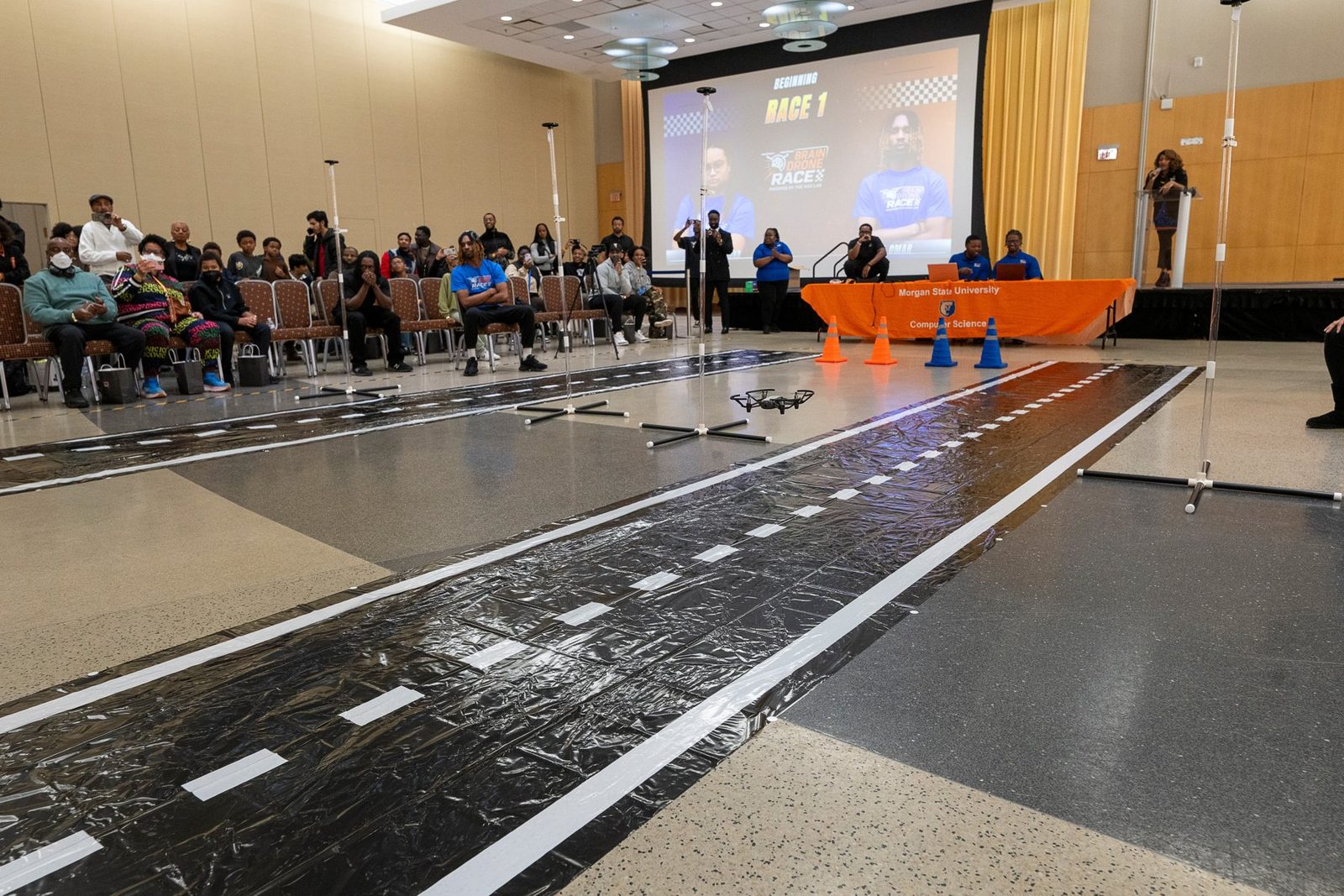
A drone flying along a marked race lane in a ballroom while an audience watches and a screen behind reads Brain Drone Race, Race 1
Brain Drone Race
What We Do

Exploring the Human Side of Technology

All of our work is grounded in human-centered AI: technology designed with and for the people who use it. Our research spans three interconnected areas: intelligent and conversational systems, immersive and emerging interfaces, and computing education.

Intelligent & Conversational Systems

We investigate how intelligent systems can understand, support, and respond to individual users. Our work explores conversational AI, intelligent tutoring systems, dynamic learner modeling, explainable AI, and learner agency to create personalized, trustworthy, and meaningful experiences.

Keywords: Conversational AI, Large Language Models, Adaptive Learning, Learner Modeling, Explainability
Explore this research →

Immersive & Emerging Interfaces

We design immersive and emerging interfaces, from virtual reality to brain-computer interfaces and games, that change how people learn, heal, and play. Through virtual reality, simulations, game design, and brain-computer interfaces, we explore experiential learning, health education, inclusive play, and neuroadaptive interaction.

Keywords: Virtual Reality, Brain-Computer Interfaces, Health Education, Mental Health, Inclusive Gaming, Neuroadaptive Technologies
Explore this research →

Computer Science Education & Outreach

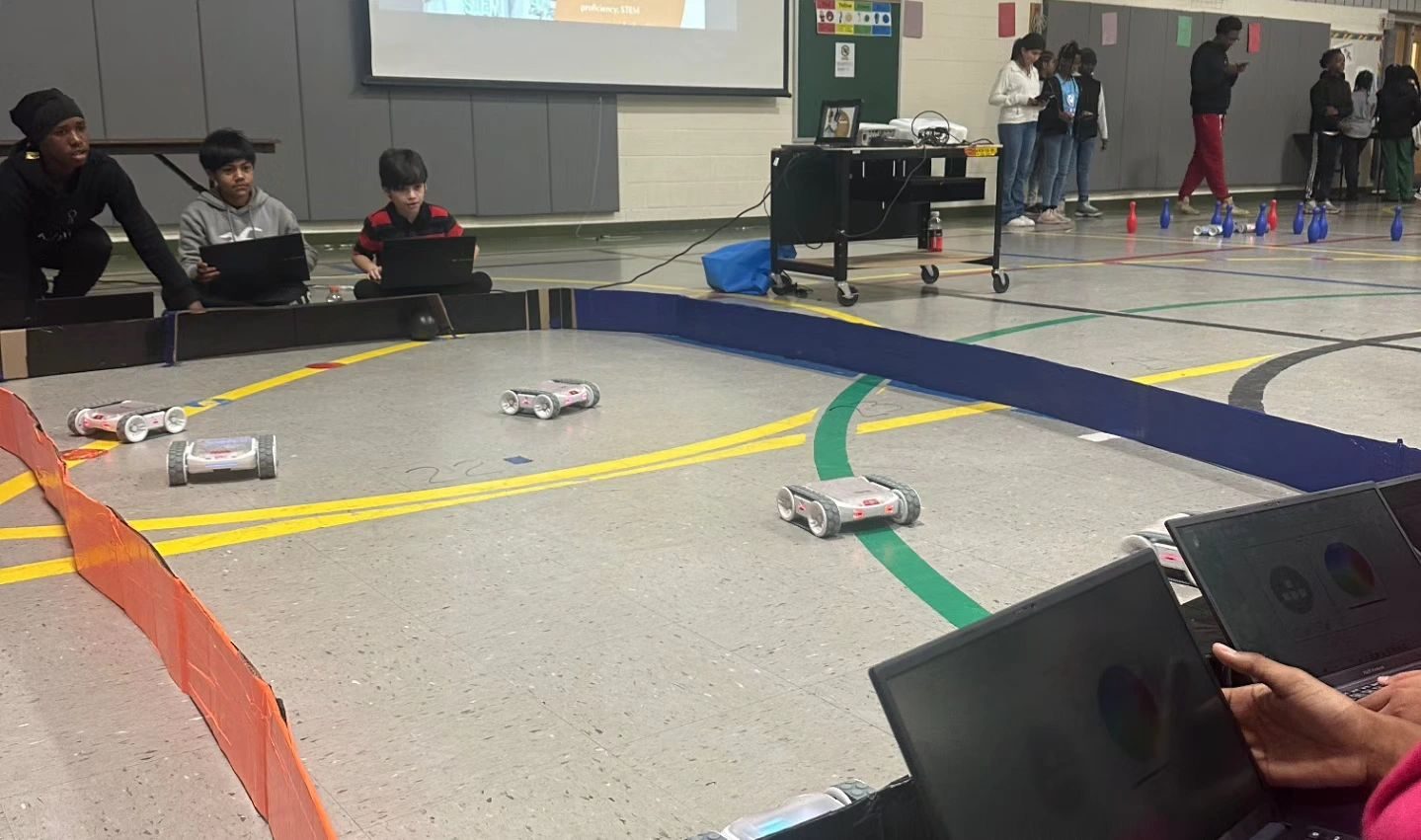
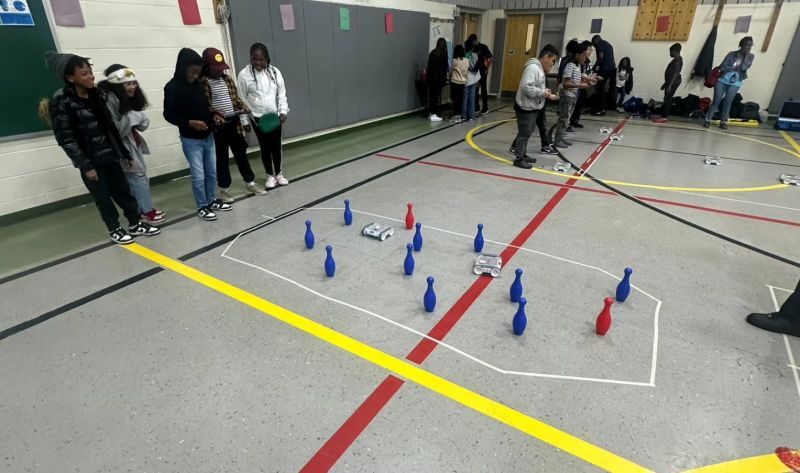
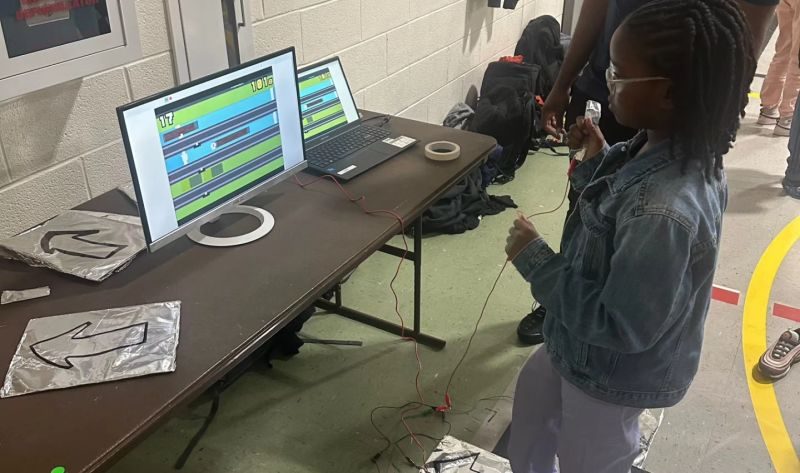
We explore approaches to making computing education more engaging, accessible, and meaningful for learners of different ages and backgrounds, integrating hands-on learning, creative computing, artificial intelligence, game development, robotics, and physical computing.

Keywords: Computer Science Education, K–12 Computing, AI Literacy, Computational Thinking, Broadening Participation, STEM Outreach
Featured initiative: CodeBears →
Children seated with laptops driving wheeled robots around a cardboard-walled track in a school gym Children lined up watching two robots roll through blue and red bowling pins on a gym floor A child holding wired controllers and playing a lane-crossing game on a monitor, with foil arrow pads on the table
Education and Outreach

Inspiring the Next Generation of Innovators

CodeBears — Where Young Minds Explore Computing

CodeBears is a computer science education and outreach initiative led by Dr. Naja A. Mack at Morgan State University that introduces K–12 learners to computing through engaging, hands-on experiences.

Through summer camps, workshops, and educational programming, CodeBears provides opportunities for students to explore coding, artificial intelligence, game development, robotics, and other emerging technologies.

Our approach emphasizes creativity, exploration, collaboration, and learning by doing. Rather than simply teaching students how to use technology, we encourage them to become creators, designers, and problem-solvers.

By making computing approachable and engaging, CodeBears helps young learners build technical skills, confidence, and an understanding of the possibilities within computer science.

160+
campers engaged through CodeBears summer programming.
Program highlights
Coding and programming Artificial intelligence and AI literacy Game design and development Robotics and physical computing Interactive technology and creative problem-solving Collaborative, project-based learning
Impact Snapshot

Beyond the Lab. Into the World.

Our work connects research, computer science education, student mentorship, and community engagement.

58
Student researchers trained
6
Peer-reviewed papers with student co-authors since 2023
200+
HBCU Brain Drone Race attendees
160+*
CodeBears campers
2,100+*
Students reached through STEM outreach
* Through CodeBears and other K–12 outreach led by Dr. Mack.

Student highlights

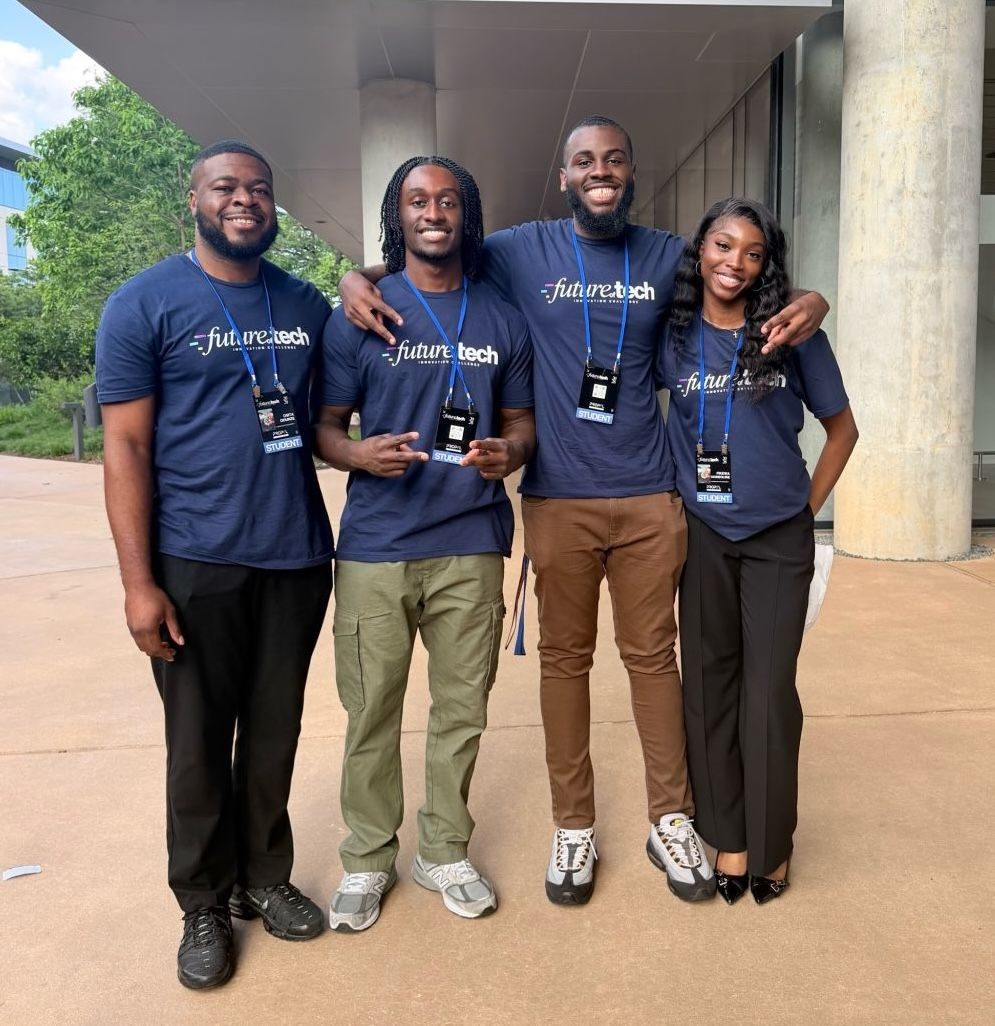
The four members of Team HAX Lab smiling with arms around each other outdoors, wearing navy Future of Tech Innovation Challenge shirts and student badges
2026

National champions

First place and a $35,000 grand prize at the PROPEL Center Future of Tech Innovation Challenge with SocialSense AI.

Read the story →
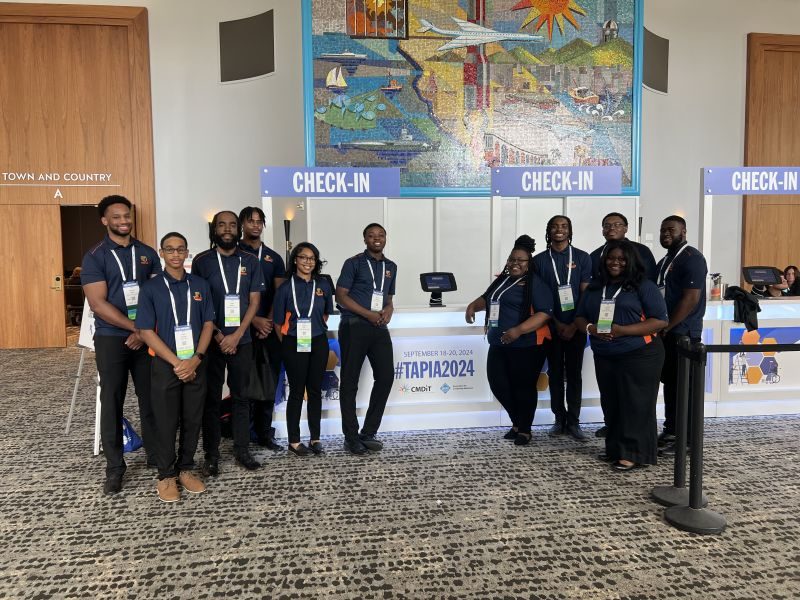
Eleven HAX Lab members in matching navy and orange polos standing in front of the Tapia 2024 conference check-in desks
2023 – 2025

Three Tapia placements

Second place in the undergraduate poster competition in 2023 and 2025, and third place in the ACM Student Research Competition in 2024, at the Tapia Conference.

See student wins →
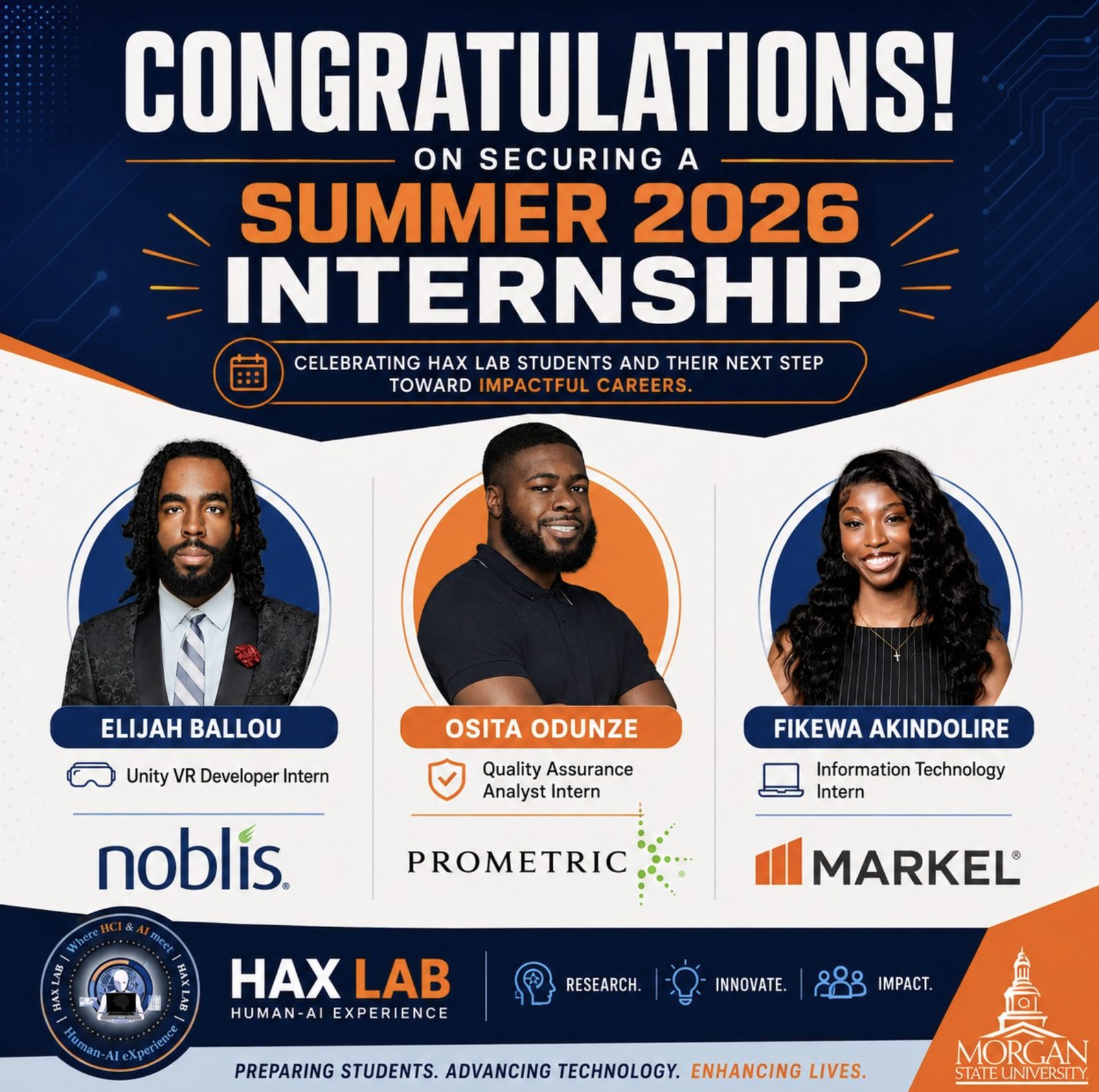
HAX Lab graphic congratulating Elijah Ballou, Osita Odunze and Fikewa Akindolire on Summer 2026 internships at Noblis, Prometric and Markel
2023 – 2026

Internships that open doors

Bloomberg, Bank of America, John Hancock, Battelle, MITRE, Noblis, Prometric, and Markel, plus research internships at three universities.

Where our students intern →
Latest From the Lab

News, milestones, and what is coming up.

All news and events →
New publication 2025

Revolutionizing Culturally Relevant Math Education Through AI and Co-Designing Strategies

Presented at the CHI Conference on Human Factors in Computing in Yokohama, Japan, by Dr. Mack and HAX Lab researchers. It was the students' first international trip.

Read more →
Award 2025

Dr. Mack named a RealLIST Innovators 2025 honoree

Technical.ly lists Dr. Naja A. Mack among 15 technologists driving Maryland's innovations.

Read more →
Student achievement 2026

HAX Lab students capture a national AI innovation title

Four HAX Lab students won first place and $35,000 at the PROPEL Center Future of Tech Innovation Challenge with SocialSense AI.

Read more →

Want to help shape the future of human-AI experiences?

Whether you are a prospective student, collaborator, community partner, or member of the media, we would love to connect.

Prospective Students Research Collaborators Media Inquiries Community Partners